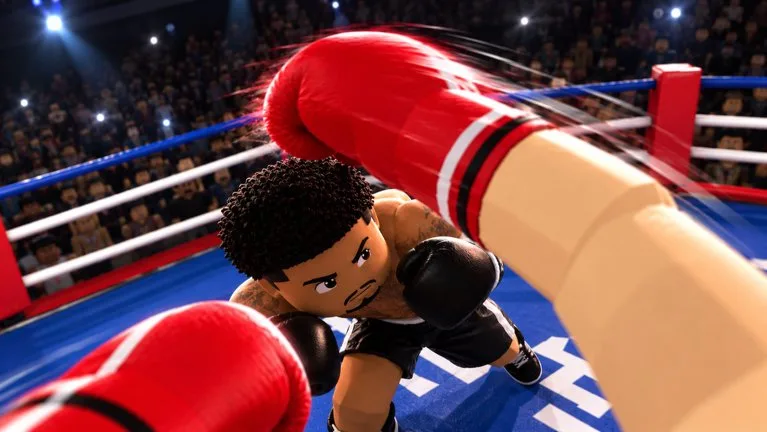
One defence, one answer
Footwork changes where you stand. Head movement changes where your head is during the exchange. Guard places the gloves. Treat them as different decisions. Holding every defensive input at once makes the miss harder to explain.
The official description names slips, counters, and head and body protection. On the October PC charts, head movement is Space plus a direction, and guard is F or Left Shift. A counter is your answer to an opening. Pressing the defensive input does not by itself mean the opponent missed, and not every return punch is a counter.
Footage from mid-October shows on-screen prompts after a successful slip or duck: SLIPPED! or DUCKED!, then COUNTER NOW!. Clicking then is described as turning the opening into a Slip Counter or Duck Counter, which those write-ups say hits harder than an ordinary punch. No public source here gives the length of that prompt or a damage multiplier. Watch your own screen.
Five deliberate exchanges
- Face the opponent at a distance where you can see the punch start.
- Defend once, with guard or one head movement. Do not punch until you know what the defence did.
- Check the result. Did the punch miss, meet the guard, or reach you?
- If an opening is visible, or COUNTER NOW! appears, throw one short return punch and see whether it reaches.
- Reset your view and your guard. After five attempts, keep the mistake that happened most often.
Five attempts is a practice block, not a game requirement.
Add a second punch only for a reason
Walkthroughs show a short follow-up after the counter, including a hook or a low punch, then a return to guard. Add that second punch only when the first one reached and you can still reset. If the first punch misses, continuing the string spends stamina without fixing distance. If the first two punches are blocked, stop instead of forcing a third.
Body shots use the same punch buttons. Aim the gloves at the torso. A low aim is not a guarantee that the shot passes a guard.
Stamina
The developer says exhaustion slows you down. Punching, slipping and guarding are all described as stamina costs. A tired state is labeled GASSED in combat write-ups. After a messy burst, stop adding attacks and watch the stamina feedback. Compare a one-punch answer with a longer string under the same rules. Use the short version while you are learning.
A practice rules screen can differ from the next player match. Read the rules on the board you are about to join before you compare how long you stayed fresh.
Pick the next drill from the miss
| What happened | What to isolate next |
|---|---|
| The return punch missed | Range and aim, before another punch |
| You were hit before you answered | Guard or head movement by itself |
| You lost the opponent | Camera or the current lock-on |
| You could not recover after a long string | A shorter exchange and the stamina bar |
| You punched when you meant to defend | One defensive input with no combo |
These are drills, not hidden frame data. When the short exchange is repeatable, take one goal into a player match with the practice plan. Change style only when you can name a guard or handling difference to test.